
Archives
- Home
- Cannabis Lifestyle and Culture Guide
- Posts
- Cannabis Economy
- Thailand’s Cannabis Revolution: A Case Study on Policy Reform
Thailand’s Cannabis Revolution: A Case Study on Policy Reform
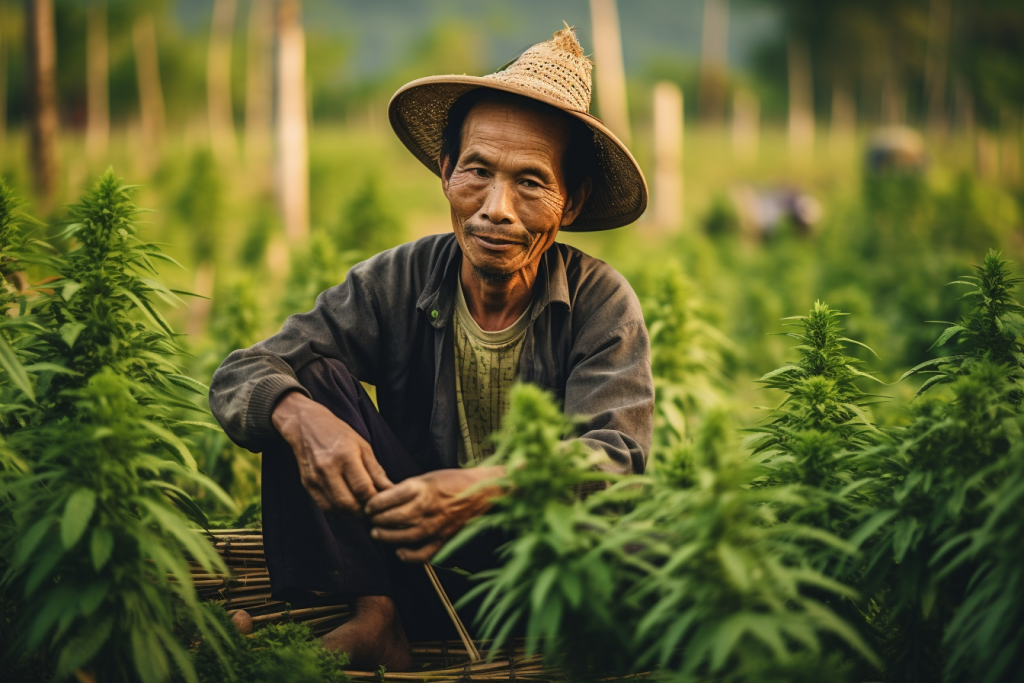
In the past few years, Thailand has emerged as a trailblazer in cannabis policy reform in Southeast Asia. The country’s journey from strict anti-cannabis laws to embracing medical marijuana and cultivating hemp is noteworthy. This article delves into Thailand’s cannabis revolution as a case study on policy reform.
The Historical Context
Thailand has a rich history with cannabis that dates back centuries. Cannabis was traditionally used in medicine and cooking. However, under international pressure and alignment with global drug policies, Thailand adopted strict anti-cannabis laws in the late 20th century.
The Catalyst for Change
The push for reform started gaining momentum in the early 2010s. The realization that the war on drugs was failing coupled with the economic potential of cannabis led to public debates.
Medical Necessity
One of the main catalysts for change was the growing body of research on the medical benefits of cannabis. A mounting number of patient testimonials advocating for medical marijuana played a crucial role in shifting public opinion.
Economic Opportunities
The potential economic benefits of legalizing cannabis for medical and industrial use were another significant factor. The government recognized the agricultural history and expertise in cannabis cultivation as a competitive advantage.
Key Milestones in Policy Reform
Legalizing Medical Marijuana
In December 2018, Thailand became the first country in Southeast Asia to legalize medical marijuana. The policy allowed for the cultivation, production, and prescription of cannabis for medical purposes.
Decriminalization of Hemp
Hemp, a variety of cannabis with lower THC content, was decriminalized, and its cultivation for industrial purposes was encouraged.
Removing Cannabis from Category 5 Narcotics
In 2021, Thailand removed cannabis plants from the Category 5 narcotics list. This was a significant step in destigmatizing cannabis and opening avenues for research and development.
Allowing the Use of Cannabis in Food and Cosmetics
The government allowed the use of cannabis leaves, stems, and roots in food and cosmetic products, leading to a burgeoning cannabis-infused product market.
The Challenges Ahead
While the policy reform is revolutionary, several challenges remain:
- Educating the Public: There is a need for educating the public and medical practitioners about the benefits and responsible use of cannabis.
- Regulations and Standards: Developing clear regulations and quality standards for the cultivation and production of cannabis products.
- International Laws: Navigating international drug treaties and laws as they pertain to cannabis.
The Road Ahead
Thailand’s cannabis policy reform serves as an exciting case study that demonstrates the potential for change when policies are aligned with historical context, economic opportunity, and medical research. As Thailand continues to forge its path in the cannabis revolution, it may very well set a precedent for other countries in the region.

