
Archives
- Home
- Cannabis Lifestyle and Culture Guide
- Posts
- Cannabis Advocacy
- Berlin’s Cannabis Activism: A History and Current Perspectives
Berlin’s Cannabis Activism: A History and Current Perspectives
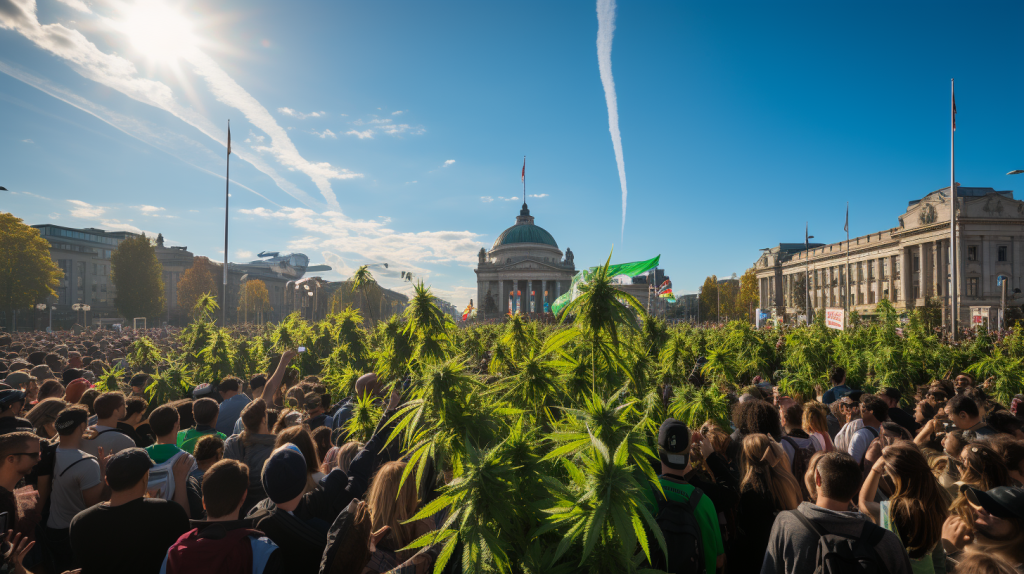
In the heart of Europe, Berlin stands as a city of change, rebellion, and a persistent pursuit for freedom. This spirit has naturally fostered an environment conducive to activism, and among the causes championed, cannabis activism holds a special place. This article traces the historical roots and provides an insight into the contemporary perspectives of cannabis activism in Berlin.
The Historical Roots
The 1960s and 1970s: Early Stages
Berlin’s cannabis activism can trace its roots back to the 1960s and 1970s when global countercultures were challenging societal norms. The city, still divided by the Berlin Wall, became a hub for young people seeking alternative lifestyles. West Berlin, in particular, saw an influx of people seeking refuge from compulsory military service, and with them came different subcultures, including cannabis enthusiasts.
The 1980s: The Punk Movement
The fall of the Berlin Wall in 1989 was a pivotal moment for the city. During the 1980s, East Berlin’s punk movement used cannabis as a form of political rebellion against the oppressive regime. Cannabis culture and activism became synonymous with freedom and resistance.
The 1990s and Beyond: A Growing Movement
After reunification, Berlin evolved into an even more diverse and multicultural city. The cannabis movement gained traction, and activists started to organize. The first Hanfparade took place in 1997, and it has since become an annual event. This parade rallies for the legalization of cannabis for medicinal and recreational use.
Current Perspectives
Medical Cannabis
Since 2017, medical cannabis has been legal in Germany. Berlin activists played a significant role in this development. However, they continue to advocate for broader access to medical cannabis and insurance coverage for patients.
Push for Recreational Use
Although cannabis remains illegal for recreational use, Berlin activists are pushing for change. Different political groups and non-profit organizations actively work toward the decriminalization and regulation of cannabis.
Cannabis Social Clubs
One of the more recent developments in Berlin’s cannabis activism is the emergence of Cannabis Social Clubs. These clubs focus on the communal cultivation of cannabis for personal use, thus circumventing the illegal market. They also serve as centers for education and advocacy.
Political Involvement
Politicians in Berlin are increasingly getting involved in cannabis activism. Certain political parties have included cannabis legalization in their platforms, recognizing its medical benefits, potential for tax revenue, and the need for sensible drug policies.
Global Influence
As a European cultural hub, Berlin’s cannabis activism does not go unnoticed. The city’s efforts have an international ripple effect, inspiring movements in other European cities and around the world.
Conclusion
Berlin’s cannabis activism is deeply rooted in its historical struggle for freedom and self-expression. While significant strides have been made, especially in the realm of medical cannabis, activists continue to work tirelessly for further reform. In a city that never stands still, the spirit of change is always in the air.
Note: The legal status of cannabis can vary, and laws are subject to change. This article does not encourage illegal activities. Always comply with the local laws and regulations regarding cannabis.

